

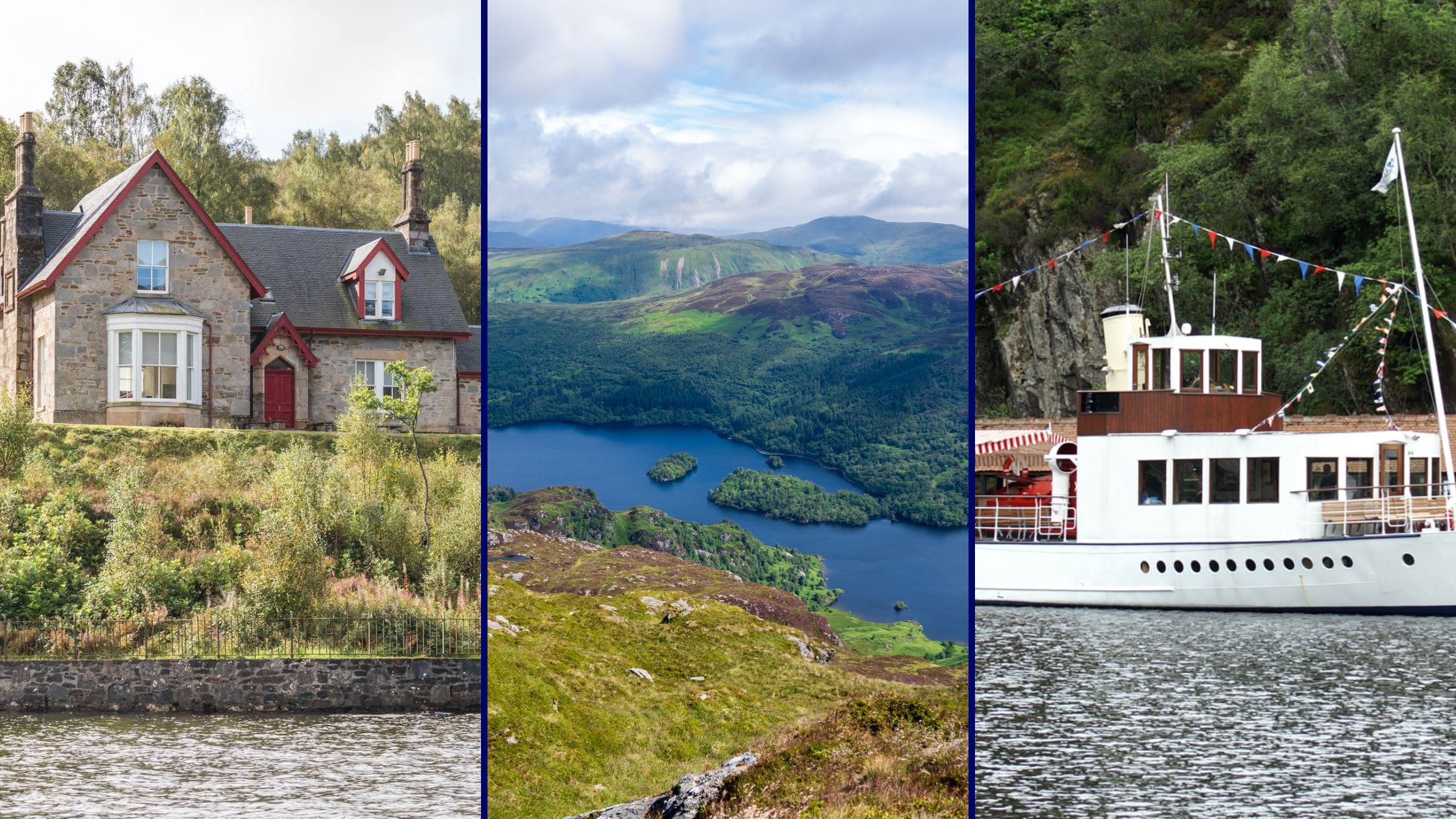
Stronachlachar pier on a still morning is a good place to understand Loch Katrine history. Mist sits low on the water. The hills close in on either side. Somewhere out on the loch an oystercatcher will be making a racket, and that’s about the only sound you’ll hear.
The loch itself runs for nearly nine miles, entirely inside Loch Lomond and The Trossachs National Park, and it’s been quietly shaping Scottish history for a very long time. An outlaw was born here. A poet turned it into a Victorian sensation almost overnight. A queen came to open one of the great engineering feats of her age. Most of that story isn’t as well known as it should be.
Let’s dive into a brief history of Loch Katrine…
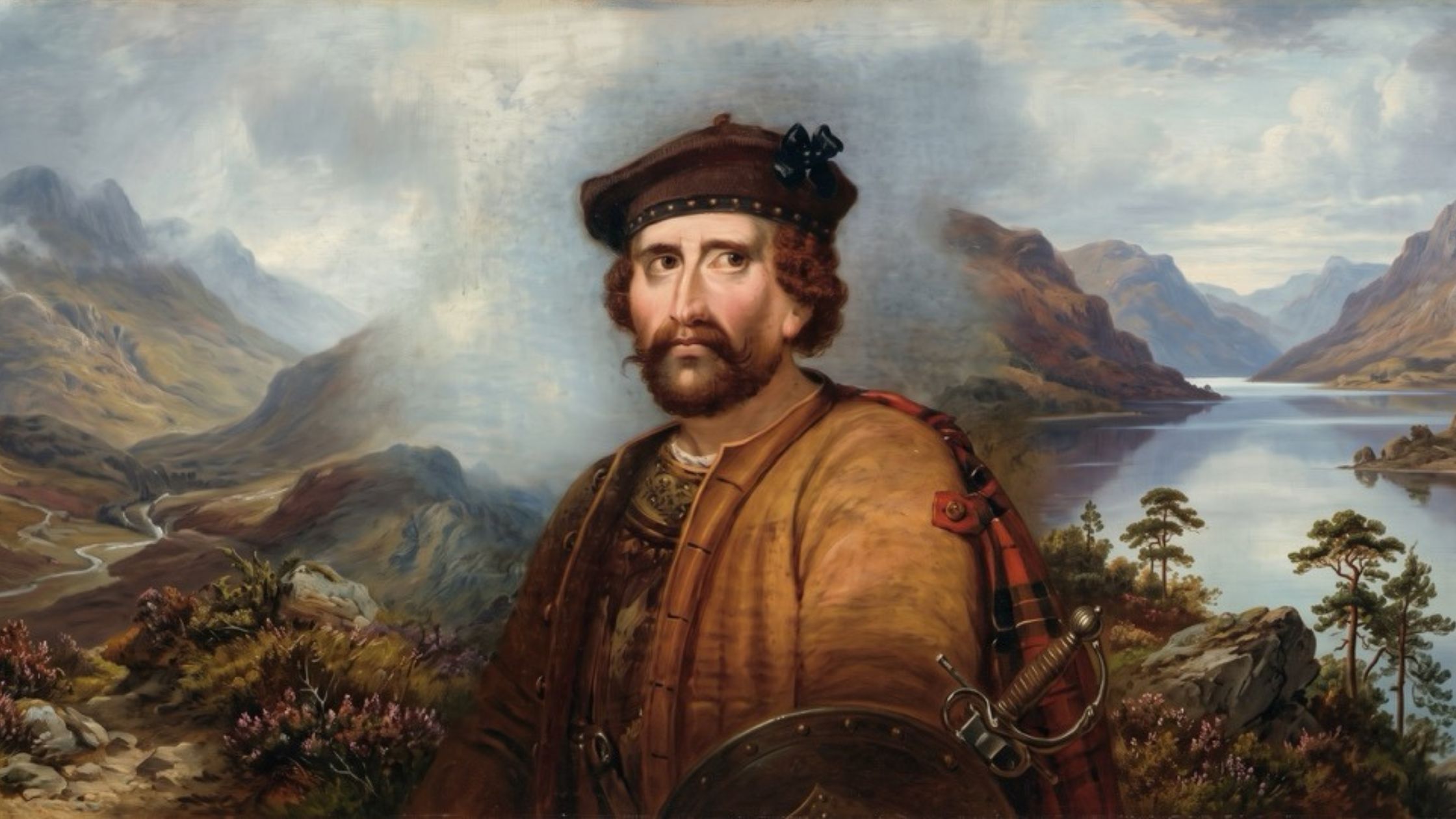
Rob Roy MacGregor and the Highland Outlaw
Rob Roy MacGregor was born in 1671 at Glengyle, a small settlement tucked at the far western end of Loch Katrine. He made his living as a cattle dealer, but it’s his reputation as a swordsman, and later an outlaw, that turned him into one of Scotland’s most enduring folk heroes.
Things went wrong for Rob Roy after a dispute with the Duke of Montrose escalated into open hostility. Once declared an outlaw, he ran a long campaign of defiance against the Duke — at one point capturing his factor and holding him prisoner on a small island in Loch Katrine. That island is still known as Factor’s Island today, and you can see it clearly from Stronachlachar, a short walk from Old Smiddy Cottage.
Rob Roy eventually settled down, was pardoned, and died in 1734 at Balquhidder, where he’s buried. But his story never really left this loch.
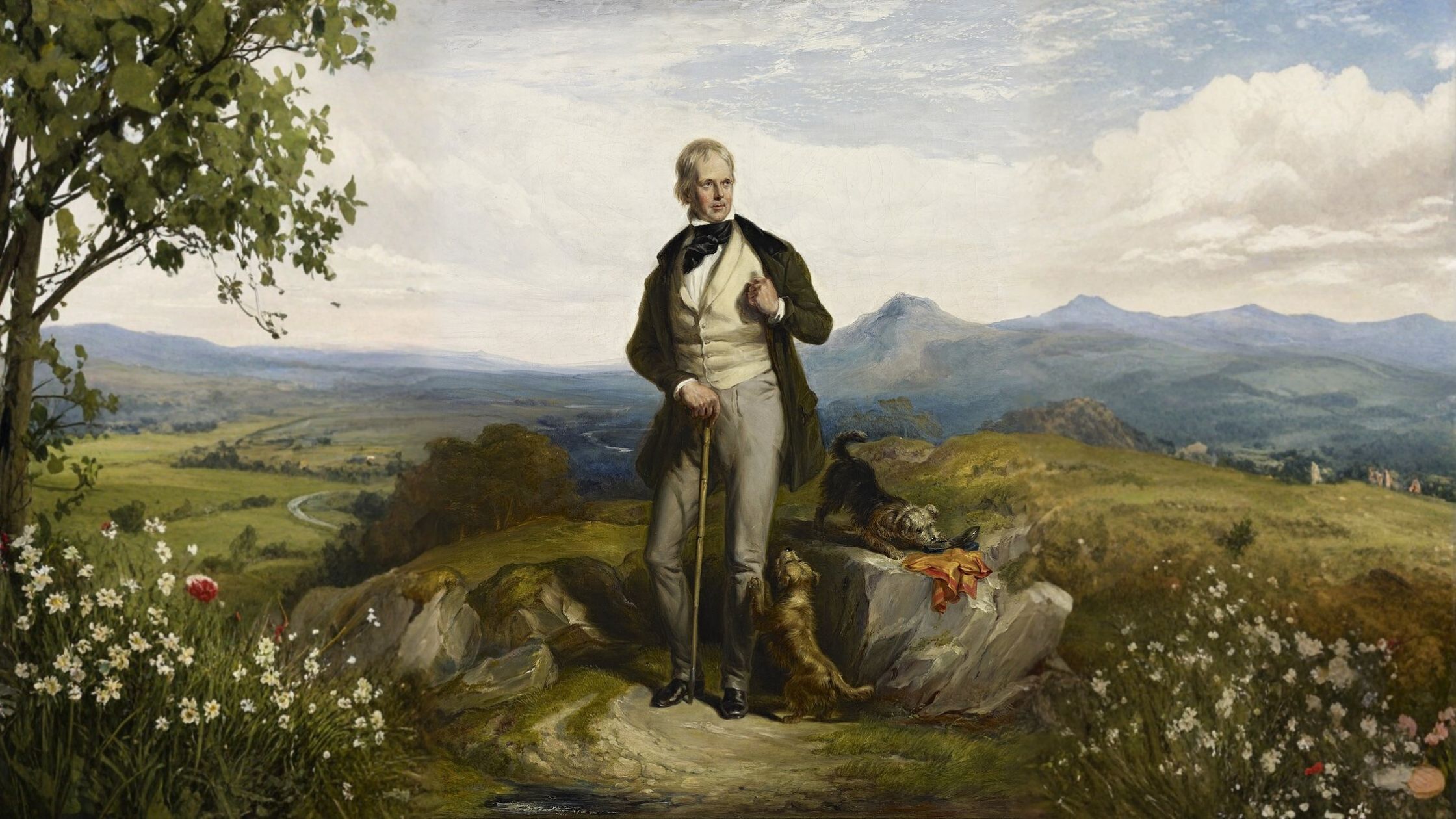
Sir Walter Scott and the Birth of Scottish Tourism
Walter Scott first came to the Trossachs in 1809, and by all accounts fell for the place completely. He spent his time here walking, sketching out ideas, and eventually wrote much of The Lady of the Lake while taking in the views around Loch Katrine.
When the poem was published in 1810, it did something few narrative poems had ever done before — it became a genuine bestseller. Over 25,000 copies sold in the first eight months, an astonishing number for the time, and people started travelling from across Britain just to see the scenery Scott had described. Historians generally agree this is where Scottish tourism, as we’d recognise it, really began.
Scott followed up in 1817 with his novel Rob Roy, which did for the outlaw’s reputation what The Lady of the Lake had done for the landscape. The connection between the two men and this loch runs deep — two of the early steamships that sailed here were named after Rob Roy, and the vessel still sailing today carries Scott’s own name.
Queen Victoria and the Victorian Waterworks
On 14th October 1859, Queen Victoria travelled to Loch Katrine to formally open one of the most ambitious engineering projects Britain had seen. Designed by the engineer John Frederick Bateman, the Loch Katrine Aqueduct ran 23.5 miles of tunnels and channels all the way to Glasgow, delivering clean fresh water to the city for the first time in its history.
It’s hard to overstate what that meant. Glasgow’s rapid growth through the Industrial Revolution had come with a serious public health cost, and waterborne disease was rife. Clean water from Loch Katrine changed that almost overnight. Scottish Water still manages the loch today, and it’s why certain things are banned here — fossil-fuelled engines and bait fishing among them — to keep the water as pure as it was when Victoria first arrived.
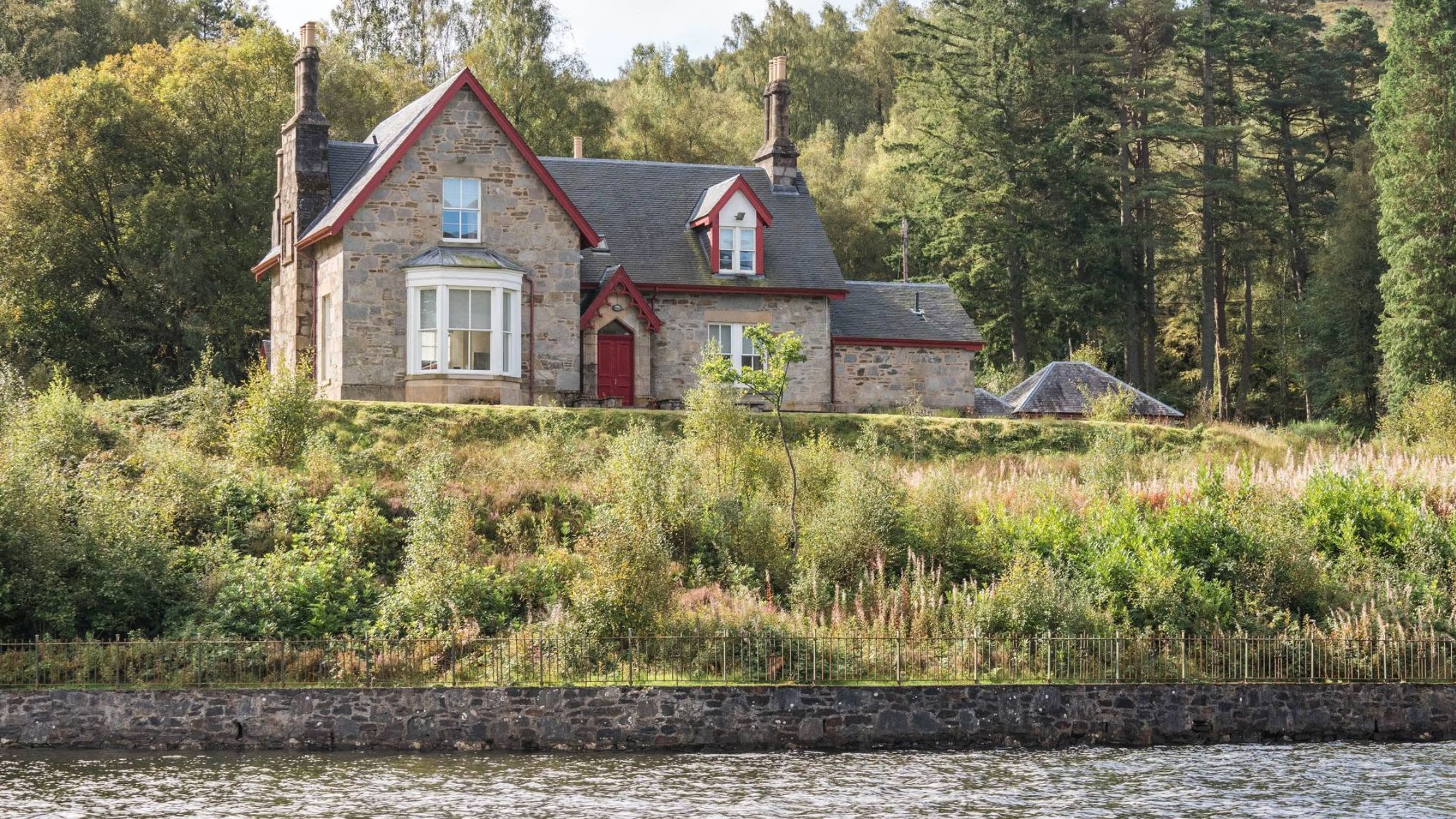
The Royal Cottage, built specifically for her visit, still stands on the lochside close to Stronachlachar. It’s easy to walk or cycle past it today and forget you’re looking at a building with over 160 years of history behind it.
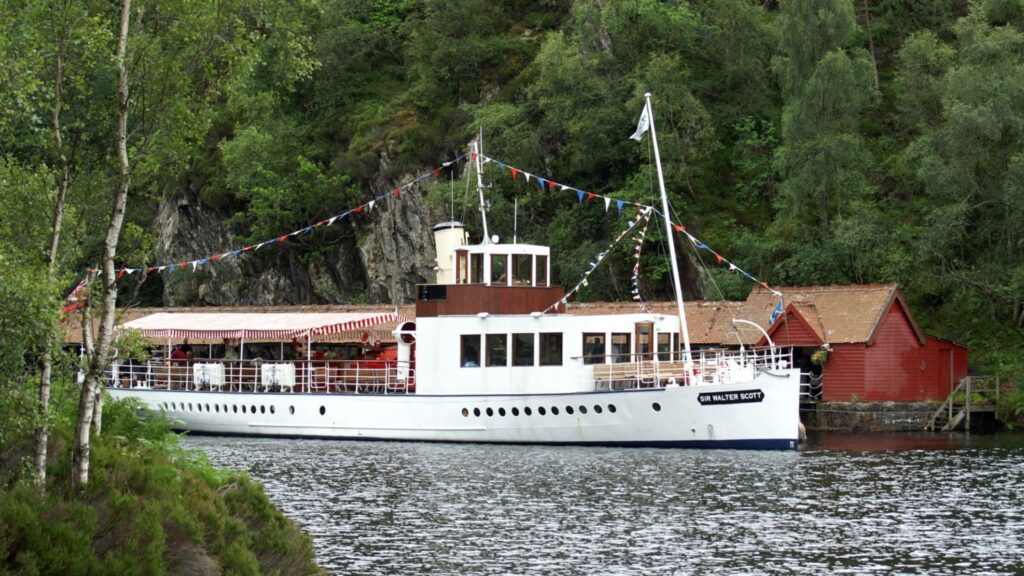
The Steamship Sir Walter Scott and Loch Katrine History
The first steamship on Loch Katrine was a small paddle steamer called Gipsy, which arrived in 1843. She didn’t last long — barely a week, in fact, before she sank in circumstances nobody fully explained at the time. The story that’s stuck is that local boatmen, worried about losing work to a steam-powered rival, had a hand in it.
Rob Roy took her place, followed later by Rob Roy II, the vessel that carried Queen Victoria to the waterworks opening in 1859. By the turn of the century she’d reached the end of her working life, and a new ship was commissioned. The Sir Walter Scott was built in Dumbarton by William Denny & Bros in 1899, taken apart, shipped up to the loch in pieces, and put back together by hand on the shore before finally launching in 1900. She’s been sailing that same stretch of water ever since.
She’s been sailing ever since. That’s well over 125 years of continuous service, making her one of the last screw-propelled steamships anywhere in the world still in regular passenger use. She is now a solid part of Loch Katrine History. Cruises still run today between Trossachs Pier and Stronachlachar Pier, and it remains one of the best ways to see the loch properly, from the water rather than the shore. Full timetables and booking details are available at lochkatrine.com.
Loch Katrine Today
Anyone reading up on Loch Katrine history before their visit will notice how little has actually changed here. Scottish Water’s stewardship has kept development off the loch almost entirely — there are no motorboats, no jet skis, none of the noise you’d find elsewhere in the National Park. Just hills, water, and whatever the Scottish weather decides to throw at you that day.
The paths around the loch make for some of the best walking and cycling in the Trossachs, and the wildlife is genuinely abundant — keep an eye out for red deer on the hillsides and ospreys overhead in summer. On a clear day, the reflection of Ben Venue across the water is the kind of view that’s difficult to photograph properly and even harder to forget.
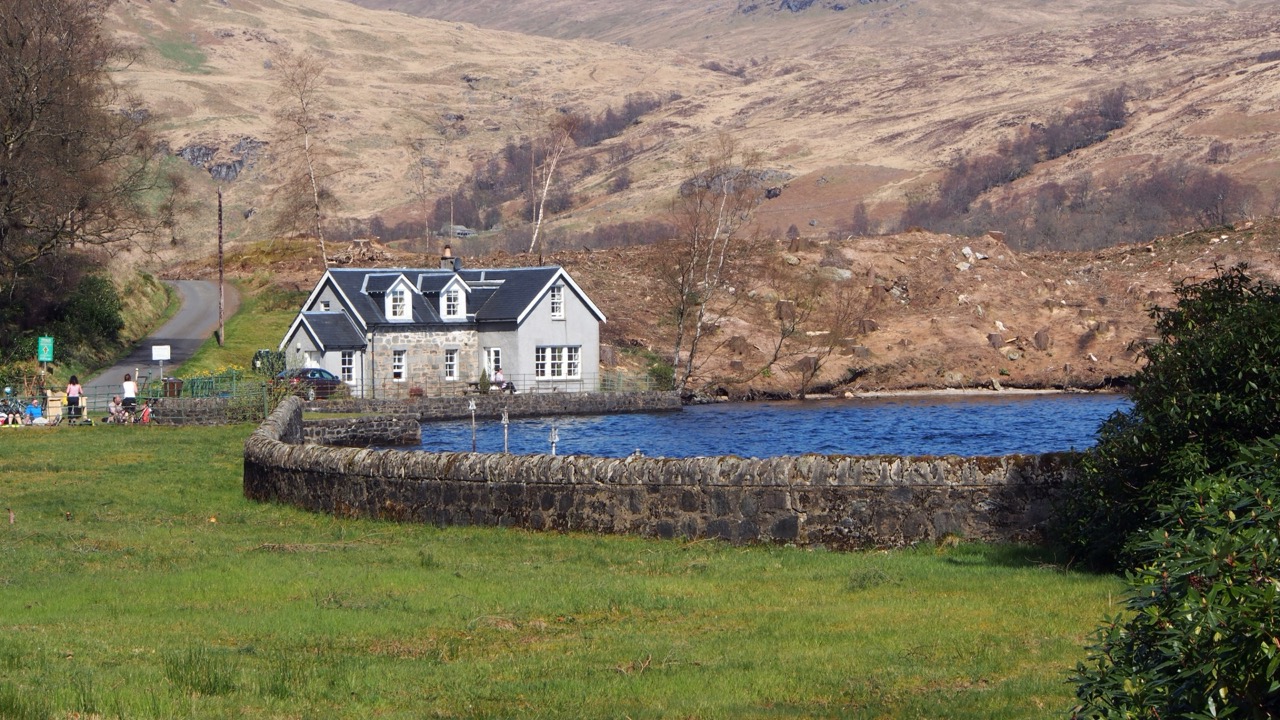
Staying this close to it all makes a real difference. Old Smiddy Cottage sits right on the shores of Loch Katrine in Stronachlachar, close enough that you can be down at the water in minutes rather than driving to see it. Take a look at what else is around us, or if you’d like to plan a stay, get in touch to check availability.
